The Complete Guide to Choosing the Best Power Bank and Portable Charger
Introduction
In a world where smartphones, tablets, earbuds, smartwatches, and other electronic accessories are part of our daily routine, running out of battery at the wrong time is more frustrating than ever. Whether you are traveling, working outdoors, attending long meetings, or simply spending the day away from a wall outlet, having a reliable power bank can save you from countless inconveniences. Over the past few years, the demand for portable power solutions has grown rapidly, and the portable charger has become one of the most essential accessories for modern technology users. This guide explains everything you need to know about power banks, how they work, and how to choose the best one based on your lifestyle and devices.
What is a Power Bank?
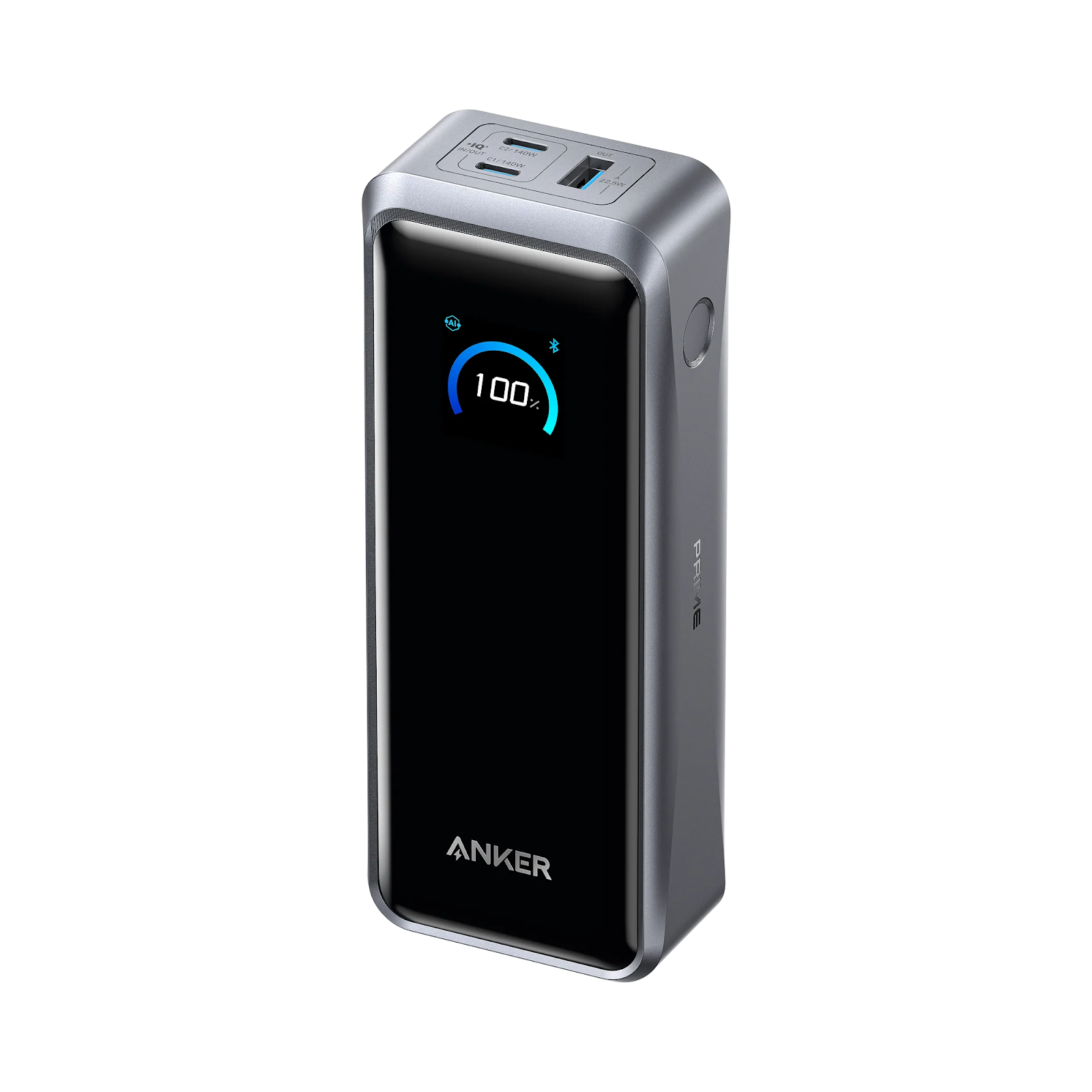
A power bank, also known as a portable charger, is a battery-powered device designed to charge electronic gadgets when a standard power socket is not available. It stores electrical energy and allows you to recharge your smartphone or other devices on the go. Power banks come in various capacities, sizes, and designs, allowing users to choose one that suits their specific needs. The biggest advantage of a power bank is its mobility. You can carry it in your bag, pocket, or even your hand, making it a convenient backup power source anytime and anywhere.
The internal technology of a power bank has evolved significantly. Modern power banks support fast charging, USB-C input and output, and smart battery management systems that prevent overheating, overcharging, and short-circuits. This makes them not only powerful but also safe for long-term use with expensive devices.
Why Portable Chargers Have Become Essential
Portable chargers have become a necessity for people who rely heavily on their smartphones and other gadgets throughout the day. Today’s devices are feature-rich and power-hungry. High-resolution screens, 5G connectivity, GPS navigation, gaming apps, and social media usage drain batteries much faster than before. This is where a portable charger becomes essential. It allows you to stay connected, productive, and entertained without worrying about your battery percentage.
Travelers especially benefit from power banks, as they often face long journeys, airport waiting areas, or outdoor locations where charging outlets are not easily available. Similarly, students, field workers, photographers, vloggers, and remote workers depend on power banks to keep their devices functional throughout the day. With the increasing popularity of Bluetooth headphones, fitness trackers, and portable speakers, a power bank has become a universal solution for powering a wide range of gadgets.
Understanding Power Bank Capacity
The capacity of a power bank is measured in milliampere-hours (mAh) and determines how many times it can charge a device. Smaller power banks with capacities between 5,000mAh and 10,000mAh are ideal for everyday use, providing one or two full charges for a smartphone. These models are lightweight and easy to carry, making them suitable for casual travelers or users who need occasional backup power.
Medium-capacity power banks ranging from 10,000mAh to 20,000mAh offer more charging cycles and can power multiple devices before needing a recharge. They are great for people who travel frequently, attend events, or spend long hours outside. Larger power banks above 20,000mAh are designed for heavy users and can even charge tablets, gaming devices, and some laptops. These high-capacity portable chargers are perfect for long trips, camping, and situations where access to electricity is extremely limited.
Understanding your daily usage helps you choose the right capacity so you don’t end up with an underpowered or overly bulky device.
Types of Power Banks and Their Features
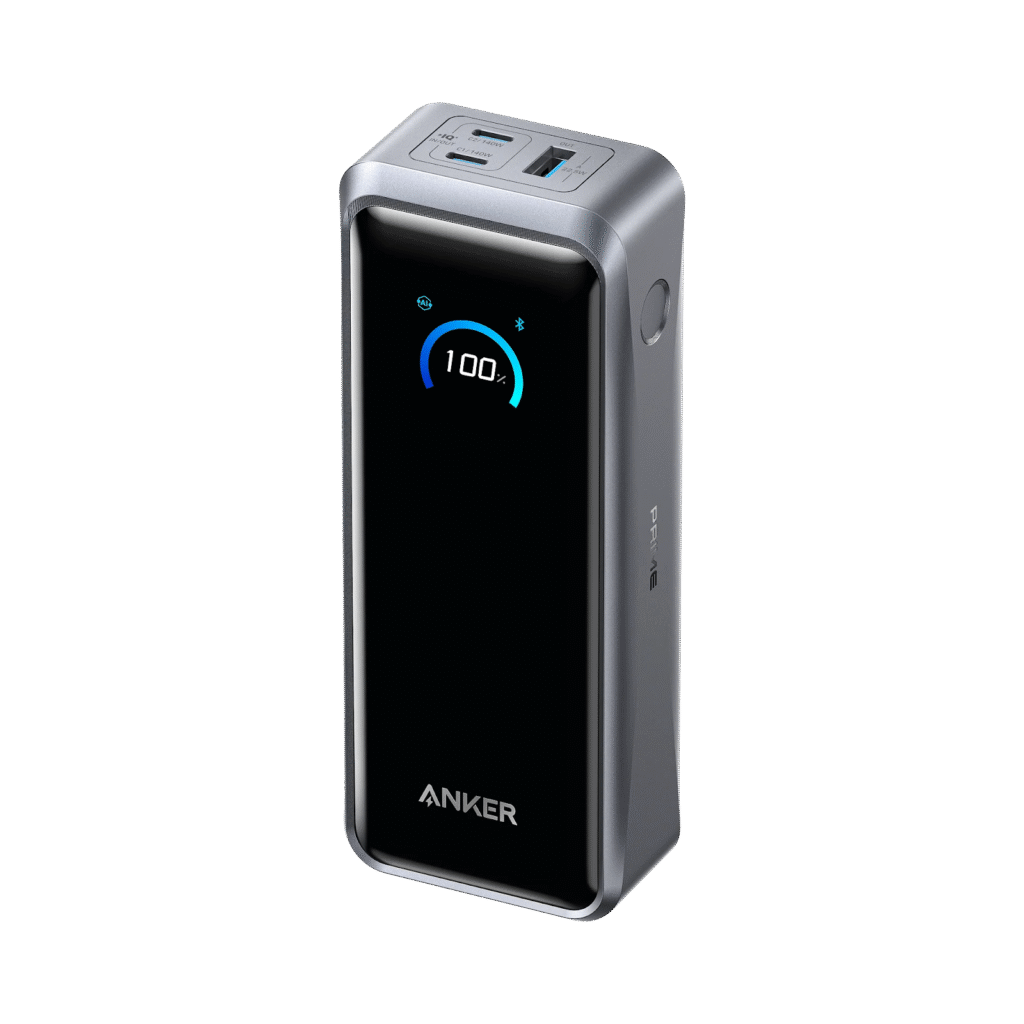
Power banks come in different types, each offering unique benefits. Standard power banks with USB-A ports are the simplest and most affordable option, suitable for people who need a basic portable charger for emergencies. USB-C power banks have become very popular due to their faster charging speeds and compatibility with modern devices. Many of these power banks also support fast charging technologies like Quick Charge and USB Power Delivery, allowing devices to recharge much more quickly.
Wireless power banks are another modern option. These portable chargers allow users to charge compatible smartphones without a cable by simply placing the device on the power bank’s charging surface. This feature is especially convenient for users who want a cable-free experience. Solar power banks, designed for outdoor enthusiasts, include solar panels that convert sunlight into energy. While solar charging is slow, it offers a valuable backup power source during camping and hiking trips.
Fast Charging and Safety Features
Fast charging has become one of the most important features of a modern power bank. With USB Power Delivery, Quick Charge, and adaptive charging technologies, a portable charger can recharge your smartphone significantly faster than traditional chargers. This is particularly beneficial when you’re short on time and need a quick battery boost.
Safety is just as important as speed. A good power bank includes built-in protection features such as overcharge protection, short-circuit prevention, temperature control, and automatic power adjustment. These features protect your devices from potential damage and increase the lifespan of both the power bank and the gadgets connected to it. When choosing a power bank, always look for models that have certified safety protections.
Choosing the Right Power Bank for Your Devices
Choosing the best power bank depends on the devices you own and how you use them. If you mainly charge a smartphone, a lightweight 10,000mAh portable charger is usually enough. For users who carry multiple devices such as a phone, earbuds, and smartwatch, a 20,000mAh power bank with multiple USB ports is more suitable. Tablet users and content creators who use cameras or stabilizers should look for higher-capacity power banks with faster output.
Laptop users need to be more careful when choosing a power bank. Only specific models support laptop charging, and they must offer high-wattage USB-C output. If you own a laptop with USB-C charging, look for power banks that support at least 45W to 65W power delivery. This ensures stable and efficient charging.
Benefits of Carrying a Power Bank
Carrying a power bank offers several advantages that enhance convenience and peace of mind. It gives you complete freedom to use your devices anywhere without being tied to a wall outlet. Whether you are traveling, attending events, shooting videos, or working remotely, a portable charger ensures you never run out of battery. It is also perfect for emergencies, allowing you to stay connected during power outages or unexpected situations.
Another benefit is the ability to charge multiple devices simultaneously. Modern power banks with dual or triple ports make it easy to power your phone, headphones, and smartwatch at the same time. This flexibility makes the power bank a must-have accessory for both personal and professional use.
Conclusion
With the increasing reliance on electronic devices, owning a high-quality power bank or portable charger has become essential. It provides instant backup power, convenience, and freedom, ensuring your devices remain functional no matter where you go. Choosing the right power bank depends on your usage, device compatibility, and the features that matter most to you, such as fast charging, safety protections, and capacity. As technology continues to evolve, portable chargers will remain an indispensable tool for staying powered, connected, and productive in everyday life.