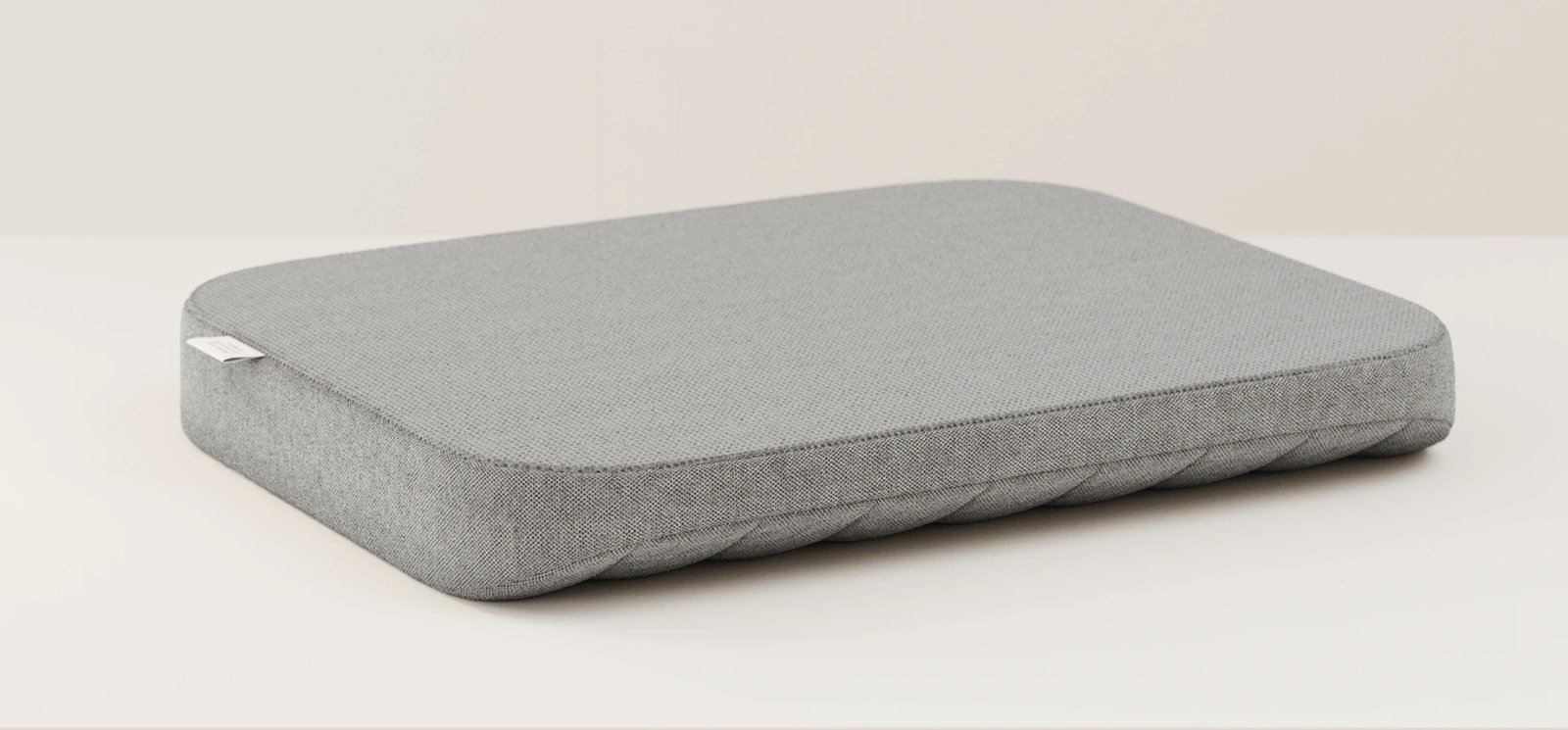
Memory Foam Seat Cushion Why It’s a Must for Back and Hip Support
If you have ever stood up after sitting and felt that quiet groan in your lower back, you are not alone. Long drives, office chairs that feel like bricks, and even time spent on the toilet can add up. Our bodies were not built to sit the way modern life demands. That is where a memory foam seat cushion earns its keep. Not as a luxury. As a small daily upgrade that your back and hips actually notice.
Why sitting hurts more than we realise
Australians sit a lot. Commutes, desks, sofas, scrolling on phones. When we sit on hard or poorly shaped surfaces, pressure builds around the tailbone and hips. Muscles tighten. Posture slips. Blood flow slows. Over time, discomfort becomes normal, which is a worry. A memory foam seat cushion changes that equation by supporting the natural curves of your body instead of fighting them.
What makes a memory foam seat cushion different?
Regular cushions compress and flatten. Memory foam responds. When you sit, the foam softens under body heat and weight, moulding to your shape. It spreads pressure evenly rather than dumping it all onto your tailbone. That simple shift can ease strain on the lower back and reduce hip tension. Think of it like sand at the beach. Walk on wet sand and your foot sinks just enough to feel supported. Walk on concrete and every step jars. Your seat works the same way.
Back support that feels natural
A quality memory foam seat cushion encourages a more upright posture without forcing it. Your pelvis sits in a neutral position, which helps the spine stack properly. Less slouching means fewer aches at the end of the day. This matters whether you are working from home, driving across town, or sitting on the toilet scrolling the news longer than planned.
Hip comfort that lasts all day
Hips cop a lot of pressure when sitting. Over time, that pressure can trigger stiffness or flare ups, especially for people with tight hip flexors or previous injuries. Memory foam cushions cradle the hips instead of pushing back against them. The result feels softer but also more stable. You sit longer without shifting every few minutes trying to get comfortable.
Why this matters for toilet posture too
At Squatty Potty Australia, we talk a lot about posture. Most people think posture only matters at a desk. Not true. How you sit on the toilet affects your pelvic floor, hips, and lower back. Pairing a toilet stool with a memory foam seat cushion can make bathroom time more comfortable, especially for people who experience tailbone pain or stiffness. Better alignment. Less pressure. A calmer experience all round.
Who benefits most from a memory foam seat cushion?
Short answer? Almost everyone.
Office workers who sit for hours
Drivers and commuters
People recovering from back or hip issues
Older adults who want a bit more comfort
Anyone who values their spine
Even kids studying at home benefit from proper support early on.
What to look for when choosing one
Not all memory foam is created equal. Look for a cushion that retains its shape after use. If it stays flat, it is not doing its job. Breathable covers matter in warmer Australian weather. Non slip bases help keep it where it belongs. And shape matters. A contoured design with a cut out for the tailbone can reduce pressure even further.
A small change with long term benefits
Health improvements do not always come from big, dramatic shifts. Sometimes they come from fixing the basics. A memory foam seat cushion supports your back and hips quietly, day after day. No effort required. Just sit. When combined with better bathroom posture using a toilet stool, the impact on comfort and digestive wellness can be surprisingly noticeable.
Ready to feel the difference?
If your back or hips have been asking for a break, listen. Explore supportive seating solutions and toilet posture tools at Squatty Potty Australia and give your body a little more care where it counts.
FAQs
1. What is a memory foam seat cushion used for?
Ans. It is designed to support the hips, tailbone, and lower back while sitting, helping reduce pressure and improve posture.
2. Can a memory foam seat cushion help with back pain?
Ans. Many people find relief because the cushion encourages better alignment and reduces strain on the spine.
3. Is it suitable for office chairs and car seats?
Ans. Yes. Memory foam seat cushions work well on office chairs, car seats, wheelchairs, and even dining chairs.
4. Does memory foam get too hot in summer?
Ans. High quality cushions use breathable covers and foam that allows airflow, making them comfortable in Australian climates.
5. Can I use a seat cushion with a toilet stool?
Ans. Absolutely. Using both together can improve comfort and posture during toilet use, especially if you experience tailbone or hip discomfort.
Disclaimer
The information provided in this article is for general informational purposes only and is not intended as medical advice. Memory foam seat cushions may help improve comfort, posture, and pressure distribution for many people, but results can vary depending on individual needs and conditions.
This content should not be used as a substitute for professional medical advice, diagnosis, or treatment. If you experience persistent or severe back, hip, pelvic, or spinal pain, you should consult a qualified healthcare professional before making changes to your seating, posture, or daily routines.