Elbow and Forearm Support for Gym Enthusiasts and Weightlifters
A heavy set can feel incredible. The focus, the lift, that moment where everything locks in. Then comes the dull ache around the elbow later that night. If that sounds familiar, you are not alone. Elbow and forearm pain is one of the most common complaints among gym goers and weightlifters, especially those who train hard and often.
Strength training builds confidence, but it also places serious demand on joints that are not designed to absorb endless strain without support. That is where the right elbow and forearm support can quietly change the game.
Why elbows and forearms cop it at the gym
Every curl, press, pull or clean sends force through the elbow joint. Add repetitive gripping and sudden load changes and you have a perfect recipe for irritation. Tendons get overloaded. Muscles tighten. Small stabilisers fatigue long before the bigger muscles do.
Many lifters ignore early warning signs. A bit of tightness here. A sharp twinge there. It feels manageable, until one day even opening a jar hurts.
This is not weakness. It is biomechanics.
How elbow and forearm support actually helps
Elbow and forearm support works in a few key ways that most people do not think about during training.
First, it provides compression. That gentle pressure improves circulation and helps reduce swelling during and after workouts. Better blood flow means faster recovery.
Second, it adds stability. Supportive sleeves and braces limit excessive movement that stresses tendons. You still move freely, just without the sloppy angles that cause strain.
Third, it offers proprioceptive feedback. In simple terms, your body becomes more aware of joint positioning. That often leads to better lifting form without you even trying.
It is similar to wearing a seatbelt. You can still drive as normal, but you feel more secure.
When should weightlifters use elbow support
Some people wait until pain forces them to act. That is like waiting for bald tyres to blow before replacing them. Elbow and forearm support makes sense if you:
- Train multiple times per week
- Lift heavy or near your max
- Do high volume pulling or pressing
- Have a history of tennis elbow or golfer’s elbow
- Notice stiffness after workouts rather than during them
Using support early is about prevention, not surrendering strength.
Choosing the right elbow and forearm support
Not all supports are created equal. The right option depends on what your body needs and how you train.
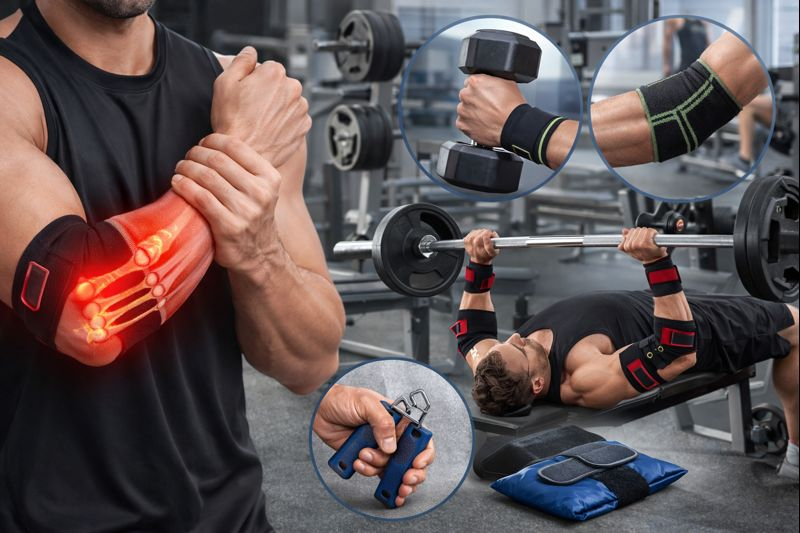
A lightweight compression sleeve by Bodyassist suits general gym use and mild discomfort. It keeps joints warm and supported without restricting movement.
More structured elbow supports help when pain is persistent or when lifting heavy loads. These provide targeted pressure around the joint while still allowing full range of motion.
Forearm supports are ideal if gripping causes pain or fatigue. They help offload stressed tendons and reduce overuse injuries.
If you are already managing an injury or limited mobility, products that complement broader aids such as Forearm Crutches Support can be part of a smarter recovery approach.
Support does not replace good training habits
This matters. Elbow and forearm support is a tool, not a shortcut.
You still need proper warm ups, progressive loading and rest days. Ignoring recovery while relying on braces only delays the problem.
Think of support as a training partner that spots you quietly. It helps when things get heavy, but it cannot lift for you.
Why gym enthusiasts trust quality support products
When pain interferes with training, motivation drops fast. Good support restores confidence. It lets you focus on technique instead of guarding sore joints.
Many athletes notice improved endurance because muscles are not fighting unnecessary instability. Others simply enjoy training without the constant background ache.
That peace of mind keeps people consistent, and consistency is where progress lives.
Caring for your body is part of strength
Real strength is not just what you lift today. It is what you can still lift years from now.
Elbow and forearm support is a small decision that protects long term performance. Whether you train for aesthetics, strength or stress relief, your joints deserve the same attention as your muscles.
Your body does a lot for you. Supporting it back is not optional.
FAQs
1. Do elbow supports weaken muscles over time?
Ans. No. When used correctly, they reduce strain without stopping muscles from working. They support joints, not replace effort.
2. Can I wear elbow and forearm support all day?
Ans. It is best used during training or activities that stress the joint. Wearing it constantly without need is unnecessary.
3. Is elbow support only for people with injuries?
Ans. Not at all. Many gym enthusiasts use support preventatively, especially during heavy or high volume sessions.
4. How tight should elbow support feel?
Ans. Snug but comfortable. It should not cut off circulation or cause numbness.
5. Should beginners use elbow and forearm support?
Ans. If training volume is low and form is good, beginners may not need it. As intensity increases, support becomes more beneficial.
Disclaimer
The information provided in this article is for educational and informational purposes only and is not intended as medical advice. Always consult a qualified healthcare professional, physiotherapist, or sports medicine specialist before using elbow or forearm support, especially if you have an existing injury, chronic pain, or any medical condition. Use of support products should complement proper training techniques, warm-ups, and recovery strategies, not replace them. Individual results may vary, and the author or publisher is not responsible for any injury, discomfort, or adverse effects resulting from the use of any products or practices discussed in this article.